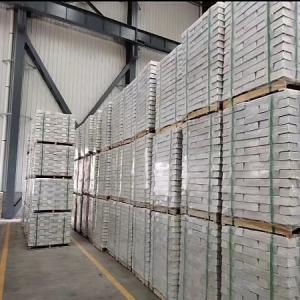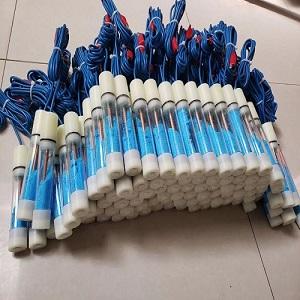
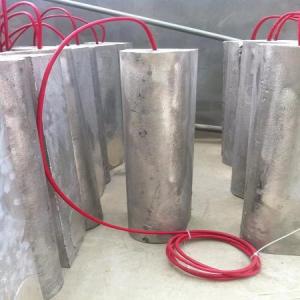
Precautions for using magnesium anodes in cathodic protection
When using magnesium anodes (high-purity magnesium alloy sacrificial anodes), the core requirements are "sufficient purity, correct installation, good grounding, and interference prevention."
I. Selection and Material Requirements (Crucial)
1. High Purity is Essential: Strictly select high-purity magnesium alloy anodes (such as AZ31, AZ63, AZ80, etc.). The use of industrial pure magnesium or waste magnesium with excessive impurities is strictly prohibited. Impurities (such as Fe, Cu, Ni) will significantly reduce electrochemical efficiency, leading to premature anode failure.
2. Matching Potential and Current: Calculate the required number of anodes and output current based on the material, diameter, burial depth, and soil/water resistivity of the protected pipe/equipment.
When soil resistivity is high (>20Ω·m), the number of anodes needs to be increased or the burial spacing reduced.
3. Confirm Applicable Environment: Magnesium anodes have an extremely negative potential (approximately -1.50V ~ -1.65V vs CSE), and are only suitable for environments with low resistivity and strong corrosion, such as soil, fresh water, and seawater.
Use in dry sand with extremely high resistivity or in media that are already in a strongly passivated state is strictly prohibited, as it can easily lead to overprotection.
II. Installation and Construction Key Points
1. Burial Location and Spacing
Close to the Target: The anode should be as close as possible to the protected object (pipeline, tank bottom plate) to shorten the current path and reduce voltage drop.
Reasonable Spacing: The spacing between anodes is generally 1-3 meters, determined according to design calculations, to avoid mutual shielding of current between anodes.
Away from Structures: The net distance from the protected object should generally not be less than 1-2 meters; too close a distance can easily lead to localized overprotection.
2. Ensure Good Backfilling (Crucial!) The area around the anode must be backfilled with a special fine material: It is recommended to use a standard backfill material (or pre-made anode packs) consisting of fine sand + gypsum + sodium sulfate.
Direct contact with stones, bricks, and concrete is strictly prohibited. These materials have poor conductivity and will form "dry spots," leading to excessively high localized current density at the anode and premature consumption.
Reliable Electrical Connections
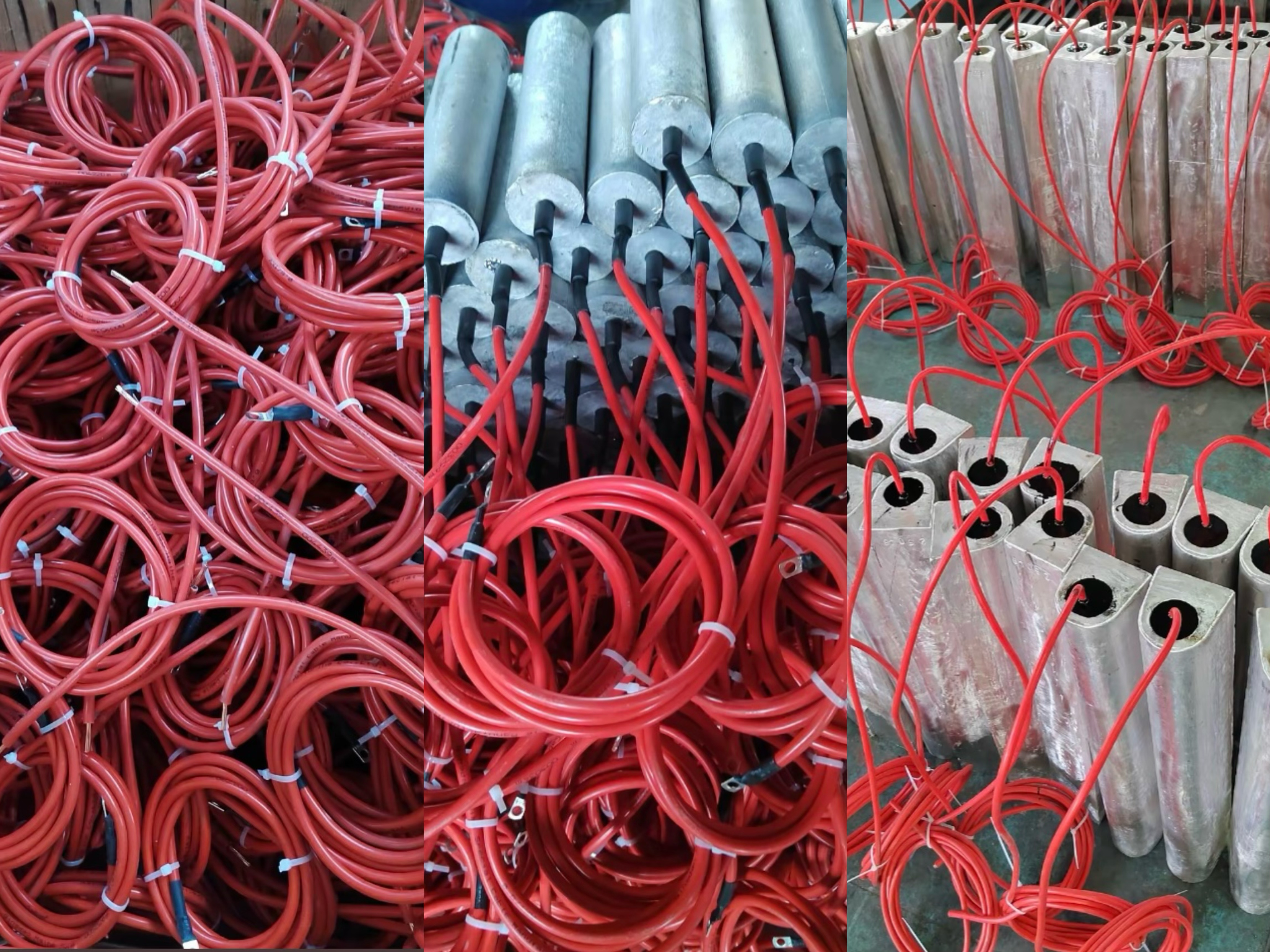
Cable Connections: Use welding (preferred) or dedicated explosion-proof connectors to ensure low resistance, corrosion resistance, and breakage resistance.
Insulation Protection: Double insulation must be provided at the connection point between the anode cable and the protected object to prevent short circuits.
Waterproofing and Moisture Proofing: The cable leads of buried anodes must be strictly sealed to prevent moisture from entering the anode along the cable and causing premature corrosion.
3. Special Environmental Considerations
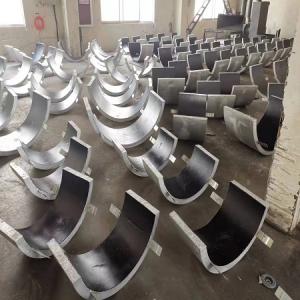
Seawater/Freshwater Environments: Use dedicated bracelet-type or bracket-type anodes to ensure complete immersion of the anode and effective water flow to flush the anode surface, ensuring activation.