Uses and application scenarios of insulating flange gaskets
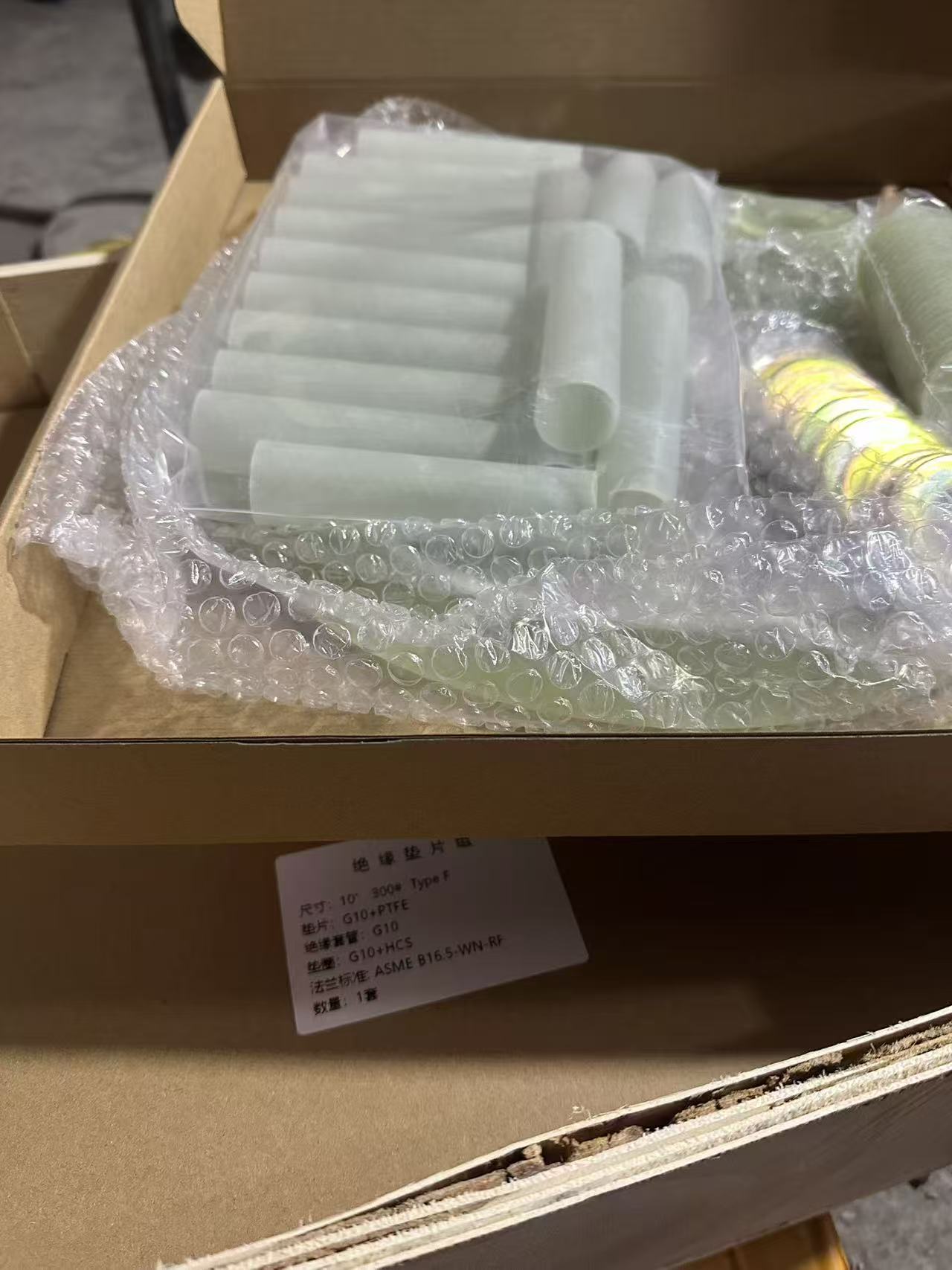
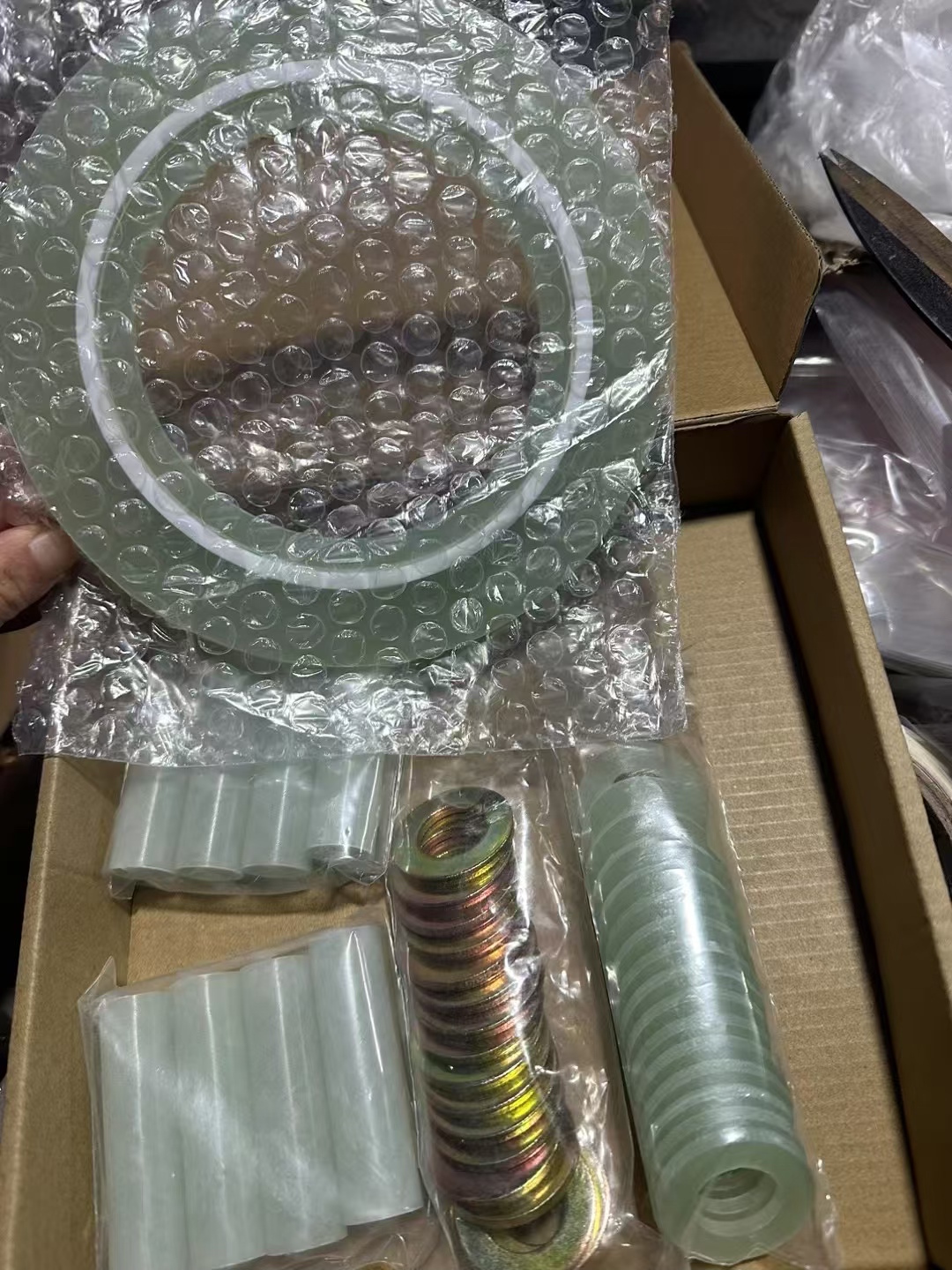
Insulating flange gaskets (often used with insulating sleeves/insulating washers to form an insulating assembly) are primarily for electrical insulation and sealing. They are mainly used for corrosion protection, cathodic protection, stray current isolation, and galvanic corrosion prevention. They interrupt electrical conduction between flanges while sealing the medium, protecting pipelines/equipment from electrochemical corrosion.
II. Specific Functions
• Essential for Cathodic Protection: When performing cathodic protection on buried/underwater steel pipelines (oil, gas, water supply, drainage), segmented insulation prevents current loss and ensures protective effectiveness.
• Prevents Galvanic Corrosion: When connecting flanges of different metals (carbon steel/stainless steel/copper/cast iron), it breaks the electrical circuit, preventing the formation of galvanic cells that accelerate corrosion.
• Isolates Stray Currents: Near subways, electrified railways, and high-voltage lines, it blocks stray currents from entering the pipeline, preventing corrosion and safety hazards.
• Static Electricity/Lightning Isolation: For pipelines carrying flammable and explosive media (gas, oil, chemicals), it prevents static electricity/lightning current from being conducted along the flange, ensuring explosion-proof safety.
• Instrument/Equipment Insulation: Electrical isolation between flanged instruments (flow meters, pressure gauges) and pipelines to prevent interference and protect the instruments.
• Sealing Medium: Simultaneously meets temperature resistance, pressure resistance, and media resistance requirements to prevent leakage (oil, water, gas, chemical media).
III. Application Scenarios
• Long-distance oil and gas pipelines, urban gas pipeline networks, water supply and drainage networks
• Chemical, oil refining, power plants, seawater/marine engineering
• Pipelines along subway/electrified railway lines, pipelines carrying flammable and explosive media
• Connection of instrument and process pipelines, butt jointing of pipelines of different materials
IV. Commonly Used Materials
Phenolic laminate, epoxy fiberglass board, PTFE, neoprene rubber, oil-resistant asbestos, modified PTFE, etc.